Leicester’s housing stock is a mix of solid-walled terraces, post-war semis, and newer infill developments with well-insulated envelopes. Across all of them, the boiler carries the daily load. When a boiler engineer finishes a job, most households breathe out, turn up the room stat, and move on. The truth is, the 48 hours after a boiler repair are when you set the tone for reliability. A small tweak, an extra check, or one photograph of a gauge can be the difference between a job that holds and a second callout during the first frost.
I have spent winters crawling through lofts in Glenfield, checking flues behind kitchen cabinets off Narborough Road, and tracing wiring in student HMOs near the University. The most consistent lesson after any gas boiler repair is that post-repair care is a partnership. The engineer stabilises the system and sets a baseline, then the homeowner or property manager keeps it there with simple, regular checks. You do not need to be technical, but you do need to be attentive.
What a “good” repair looks like from the inside out
The words boiler repair cover a wide range of work, from replacing a diverter valve to rebuilding a scorched wiring harness and control board. Some faults are transactional, like swapping a perished condensate trap seal. Others are system problems, like chronic pressure loss from microleaks across old steel pipework under the ground floor. A good repair addresses the root cause, not only the symptom, and leaves evidence you can understand.
On a modern condensing combi in Leicester, a typical urgent boiler repair might involve any of the following components:
- Diverter valve change where hot water is fine but radiators stay cold. Fan replacement when ignition is inconsistent and you hear whooshing with no flame established. Printed circuit board (PCB) swap after intermittent lockouts and a clear scorch point, sometimes caused by moisture tracking. Plate heat exchanger cleaning or replacement when hot water temperature surges and dips, often due to limescale or sludge. Pressure relief valve (PRV) and expansion vessel work when the gauge climbs past 3.0 bar and vents to the outside.
A seasonal spike shows in late October when the first cold snap hits South Wigston or Beaumont Leys and the heating circuit wakes up after months dormant. Pumps that spun happily on hot water duty stutter on full system flow. Air collects in high points. If you booked same day boiler repair after months of ignoring a falling pressure gauge, your engineer may have stabilised a deeper issue. That is not a criticism. It is a reminder to monitor closely.
Gas work belongs to registrants, so the finishing touches matter. Your local boiler engineer should:
- Complete combustion checks with a flue gas analyser and document CO and CO₂ readings. Check operating and standing gas pressure at the appliance. Top up inhibitor if water has been lost and replaced. Balance at least the worst radiators if the system was drained or a major component changed. Explain the error codes involved and what they looked for.
If you heard the phrase “temporary fix” or “we have stabilised it until a back-ordered part arrives,” plan your monitoring with extra care.
The baseline you should leave with
Before your engineer packs up, agree a baseline you can check. Ask for:
- The system pressure to aim for cold and hot. On most combis that is 1.2 to 1.5 bar cold, rising to roughly 2.0 bar hot. Some system boilers and tall properties run slightly higher. Note the exact numbers your engineer used. The flow temperature setting for heating. Many homes cruise comfortably at 60 to 65 C. With well-sized radiators you might run 50 to 55 C to keep the boiler condensing and save gas. The domestic hot water target. A safe, comfortable setpoint is 50 to 55 C at the hot tap. Higher invites scald risk and scales up the plate heat exchanger faster in Leicester’s hard water. Any unusual sounds or smells that are normal during the first hour. After a pump change it is not rare to hear a faint gurgle as microbubbles clear. That should fade.
Photograph the front panel while everything is stable: the pressure gauge, the flow temperature, and any display codes. If your property is a let, send these photos to the tenant with a note: if these numbers drift, ring me.
The first 72 hours: how to monitor without fuss
Most call backs occur within three days because an emerging symptom reveals itself only at full load or under a certain schedule. Daily, quick checks let you catch these changes early.
Here is a short, practical checklist for the first 72 hours after boiler repairs Leicester households often need. Keep it simple and consistent.
- Morning and evening, glance at the pressure gauge with heating off and then on. Record cold and hot readings once a day for three days. Run a hot tap for 60 seconds. Note stability of temperature and any pulsing or sudden cool spells. Walk the radiators. Put your hand at bottom and top. Look for cold tops or a single cold panel that suggests trapped air or a stuck TRV pin. Listen near the boiler for short cycling. You want longer, steady burns, not constant on-off in one to three minute bursts. Check outside the flue and the condensate termination point. A steady plume in cold air is fine. Gurgling at the condensate soakaway or drips from a copper pipe near the boiler indicate PRV discharge and need attention.
Each check takes under five minutes. If something feels off, take a short video with sound and capture the gauge. That one clip can save you a second callout fee.
A real-world example from Narborough Road
We attended a same day boiler repair on a mid-terrace off Narborough Road on a Friday afternoon. The Vaillant combi had locked out with F.28 after windy weather. The fan bearings were gritty and the condensate trap was half blocked. We replaced the fan, cleared the trap, ran combustion tests, and set the heating flow to 60 C. The tenant checked the pressure that night, 1.4 bar cold, 2.0 bar hot, all fine. Saturday morning, it read 0.8 bar cold. The video showed a drip from a towel rail valve only when hot. A minor weep under full expansion had been masked while the old fan struggled. Because the tenant had a baseline, we returned early, nipped up the olive, doped the thread, and the pressure charted flat after. Without that check, they would likely have lost heat Sunday and called for urgent boiler repair at a worse time.
Pressure, expansion, and the art of leaving it alone
A healthy system expands quietly. Cold, you want the gauge around 1.2 to 1.5 bar, hot around 1.8 to 2.2 bar depending on height and volume. If you start cold at 1.5 and end hot at 2.9 with a hiss from outside, the PRV is opening. Once a PRV has lifted, it may weep continually. That tiny drip will often send your pressure down overnight.
One common post-repair pitfall is overfilling. The filling loop lives under the boiler or in the airing cupboard on system boilers. After a repair, many homeowners keep topping to 2.0 bar cold “to be safe.” It is not safe. That habit drives pressure high when hot and accelerates failures. Fill to the level your engineer recommended, then shut the loop fully and cap it if a detachable loop is used. If pressure falls slowly over a week, that is valuable information. Your engineer can then test the expansion vessel precharge and look for weeps at radiator valves, auto air vents, or the boiler’s internal seals.
Radiator bleeding is useful when tops run cold and you hear sloshing. Bleed with the system off and cold. Keep an eye on the gauge as you release air, and only top up once, a little at a time. Over-bleeding followed by overfilling is a recipe for churning pressure. If you bled a lot of air after a pump change or drain down, expect to revisit once more the following day as microbubbles collect.
Temperature control that helps your boiler, not only your comfort
Post-repair care is not just about checking for leaks or locks. It is about setting the boiler to operate in a way that maximises efficiency and reduces stress. A condensing boiler lives its best life with a return temperature below about 55 C. In plain terms, that means:
- For heating, start with a flow setpoint around 60 C in average Leicester semis. If the house is slow to warm, nudge up to 65. If it heats quickly, try 55. Avoid maxing the dial to 80 C unless the weather is extreme or the radiators are undersized. Use room thermostats and TRVs together sensibly. If the lounge stat calls for 20 C, do not choke all radiators in that room with TRVs set to frost, or the boiler will short cycle and the hallway might become the system’s heat dump.
During the first weeks after a repair, aim for stable, longer run times at lower temperatures rather than short blasts at high heat. That steady operation is kinder to fans, pumps, and seals. It also helps the boiler re-learn modulation patterns if the PCB was replaced or reset.
Water quality in Leicester, scale, and filters that actually help
Severn Trent supplies the city and surrounds with water that is generally hard to very hard in pockets. The exact grains per gallon vary, but anyone who has scrubbed a kettle in Knighton or Evington knows the score. Hard water is the enemy of plate heat exchangers in combis. After a gas boiler repair that involved hot water temperature issues, work on prevention immediately.
A magnetic filter on the heating circuit is useful against sludge, not limescale. If your engineer fitted or serviced one, learn how to check it. Some can be safely isolated and opened for a quick inspection. If you are not comfortable, book a six month check. For limescale, consider a compact scale reducer on the cold feed to the boiler. These can be electrolytic or polyphosphate dosing types. Neither is a miracle, but combined with sensible hot water temperatures they slow scale growth.
On sealed heating systems, inhibitor concentration drops when you drain, bleed, and refill. Leicester homes with old microbore or black iron pipework benefit from robust inhibitor levels and a full system balance. Ask your engineer whether they added inhibitor post-repair and what product was used. If you lost a lot of water over the next few days while venting radiators or chasing leaks, plan a top-up. An inexpensive test kit can confirm concentration without guesswork.
The condensate line, free flow, and cold snaps
Modern boilers generate condensate during operation. That acidic water must drain freely. Blocked or frozen condensate lines are a common cause of winter callouts, especially in houses where the pipe runs externally for long stretches.
After repair, listen for gurgling at the trap. A clean trap makes a soft glug as the water seal cycles. A loud or frequent glugging sound paired with intermittent firing suggests a restriction. Outdoors, ensure the condensate pipe terminates to a proper drain and is clipped securely. Where it must run outside, it should be as short as possible and at least 32 mm in diameter to reduce freezing risk. In January cold snaps across Leicester Forest East, many external 21.5 mm pipes freeze. If your line is vulnerable, keep your phone ready with a simple how-to video from your engineer on thawing gently using warm cloths, not boiling water. Better, plan a reroute or an upgrade before the next freeze.
Normal behaviour versus red flags you should not ignore
Every boiler has a voice. You learn the hum of the fan, the click of the gas valve, the initial rush of ignition. After a repair, listen with fresh ears. A minute of attention can flag an issue before it escalates.
Keep this short list of warning signs handy. If any appear, call your local boiler engineers promptly.
- The pressure climbs above 2.8 to 3.0 bar when hot or drops below 0.8 bar cold and continues to drift. A drip appears at the outside copper pipe near the boiler or at radiator valves and does not stop when the system cools. The boiler locks out with the same error code more than once in a day, even after a reset approved by your engineer. Hot water temperature surges from scalding to lukewarm in a single shower despite steady tap position. A new noise begins: metallic scraping, kettling, high-pitched squeal, or a repetitive thud during start-up.
There is one absolute: if you smell gas or suspect a carbon monoxide issue, turn the appliance off, open windows, leave the building, and call the National Gas Emergency Service on 0800 111 999. Do not relight until a professional same day boiler engineer says it is safe.
Documentation, warranties, and what to keep
Paperwork sounds dull until you need it. After boiler repair Leicester homeowners should file:
- A detailed invoice naming the parts fitted and the diagnostic steps taken. Vague notes like “fix boiler” do not help with future faults. Any calibration or flue gas analyser printouts. Photographs of the installation plate and serial number if not already on file. The engineer’s Gas Safe registration details. Notes on inhibitor added and any filters fitted or serviced.
If the boiler is under manufacturer warranty, confirm whether the repair affects coverage. Some brands require genuine parts and gas boiler repair a service history recorded in the benchmark logbook. If your property is a rental in Clarendon Park or Thurnby Lodge, keep the annual gas safety record (CP12) up to date. Organised records shorten future visits and, in some cases, reduce the time billed.
When to call for local emergency boiler repair and what to say
Not every problem can wait. In winter, a failed PCB at 6 pm rarely fixes itself. Leicester has several firms offering local emergency boiler repair with two to four hour response windows. Same day boiler repair often depends on parts stock. A fan for a common Worcester or Vaillant may be on a van shelf, while a specific sensor for a less common model might take until morning.
When you ring for urgent boiler repair, have these details ready:
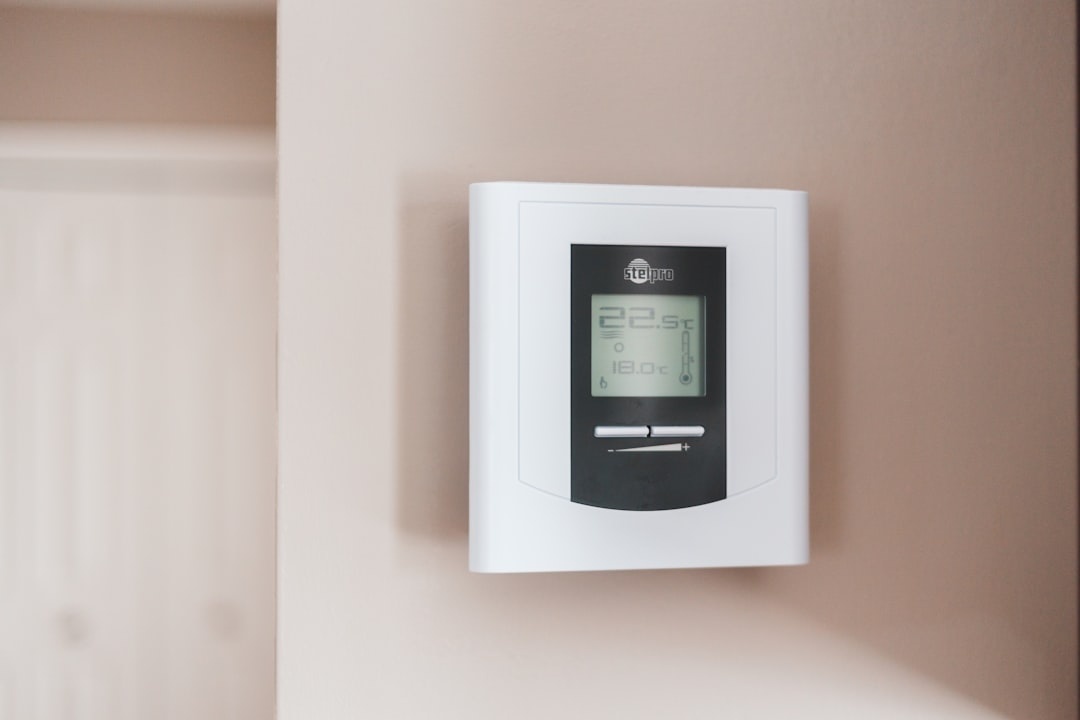
- Make, model, and approximate age. Read the fascia or the manual if you have it. Error codes exactly as shown. F.28 means something different from F.29. A brief symptom timeline. For example, “Heat fine last night, no hot water this morning, now locks out after ignition click.” Pressure readings cold and hot if safe to check. Photos or a short clip of the noise or display.
This level of detail allows the dispatcher to assign the right boiler engineer and suggests whether a first-fix is likely without a parts run. If the firm offers boiler repair same day, clarity can be the difference between an evening appointment and a slot the next morning.
Balancing radiators and getting room heat where you need it
After any disruption to the heating circuit, the balance can shift. Balancing is the quiet art of adjusting lockshield valves so that each radiator receives the right flow. If one room roasts while the back bedroom sulks, you are losing both comfort and efficiency.
While full balancing is a job for an experienced hand with thermometers, you can improve things modestly. Turn TRVs fully open during the first week, then note which rooms overshoot. On those radiators, close the lockshield a quarter turn at a time with the system running and give each change 30 minutes to settle. The goal is to extend the boiler’s run time and reduce cycling while equalising warmth. If you drained the system for a component swap and several radiators remain stubbornly cold, call your engineer back. There may be trapped air in loops, a sticking valve pin, or sludge that needs flushing.
Smart controls and what the data tells you post-repair
If you have a smart thermostat or a boiler with an app-connected controller, use its data. Look for:
- Burner on-time patterns. Short, frequent calls suggest the flow temperature is too high or the system is oversized for the load at that setpoint. Room overshoot. If the lounge climbs 2 C above target each cycle, lower the flow by 5 C and watch again. Hot water draw profiles. Big spikes at breakfast and evening are normal. Random cycling overnight can point to dripping taps or a mixing valve issue.
For landlords managing HMOs near De Montfort University, smart data can flag a failing component before the tenant notices. A diverter valve beginning to stick often leaves a footprint: longer hot water stabilisation times and sporadic heating calls when none were scheduled.
Seasonal recommissioning after a repair
A boiler that was repaired in late spring will not face its real test until October. Do a soft start two weeks before the first cold night. Set the heating flow to 55 to 60 C and run the system for an hour in the evening. Listen for gurgles, then re-bleed any high points the next morning. Check the gauge cold, top gently if needed, then repeat a second evening. If you installed TRVs over summer, check each one responds. You are teaching the system to wake up gracefully instead of crashing at the first family dinner with guests.
Outside, inspect the flue terminal for obstructions. Spiders love sheltered vents. Make sure the condensate route is still secure and free of debris. If you added insulation on external runs, confirm it is intact.
Edge cases: underfloor heating, system boilers, and loft installs
Not every Leicester home runs a combi with panel radiators. A few nuances by system type:
- Underfloor heating uses mixing valves and low flow temperatures. After a boiler repair that affected control wiring or pumps, recheck that the manifold actuators open and that the boiler can modulate to the lower loads without cycling. Many UFH setups benefit from weather compensation. Post-repair, watch for slow warm-up and uneven loops. System boilers with an unvented cylinder have more valves and safety devices. After any repair, test hot water recovery time. If it lags and the boiler side is fine, the cylinder coil may be furred or a motorised valve is lazy. Ensure the pressure on the primary side and the expansion vessel on the cylinder side are both healthy. Loft installs expose boilers to cooler ambient temperatures. After service or repair, check the condensate route, the frost protection settings, and that the loft hatch is draft-mitigated. A boiler trying to protect itself in a cold loft can cycle all night if the ambient drops.
Safety that sits quietly in the background
Boiler rooms are calm until they are not. A carbon monoxide alarm is cheap and decisive. Fit one in the same room as the boiler and test it monthly. Replace batteries when you change clocks. If your flue runs through cupboards or boxing, keep access panels accessible. A Gas Safe registered engineer must be able to inspect joints and seals during annual service.
Ventilation matters. Older open-flue appliances need specific air provisions. Most modern sealed units do not draw room air, but they still require clearance for combustion air at the terminal and safe discharge of products. Avoid leaning bikes, bins, or trellises against the flue outside.
The economics of caring after a repair
A ten minute daily check sounds like a chore until you price parts. A PRV and expansion vessel visit might cost £180 to £280 depending on access and brand. A silted plate heat exchanger on a combi in a hard-water postcode can be similar. Magnets do not catch limescale. By keeping hot water setpoints sensible and acting on the first flicker of temperature fluctuation, you delay those parts days into years.
If an engineer mentions a near-term risk, budget for it. A fan that passed spec but sounded tired in Braunstone will not get quieter. Ask for a quote while the job is fresh and parts are identified. Replacing on your schedule is cheaper than calling for local emergency boiler repair on Sunday.
Working well with your engineer
Engineers appreciate informed clients. When you call back, aim for clarity, not diagnosis. Say, “Cold pressure fell from 1.4 to 0.9 in two days, no visible drips, small hiss at the PRV pipe when hot,” not “I think the expansion vessel is gone.” They will check the vessel, yes, but your measured data helps more than your theory. Keep your language consistent with the photos you took at baseline.
If the first firm cannot return promptly and the house is without heat, it is reasonable to ring another outfit offering same day boiler repair. Be transparent about the previous work. Share invoices and photos. A second engineer walking in blind spends your money on rediscovering what the first one already found.
Two short stories that show the arc from repair to stability
A detached house in Stoneygate had chronic kettling after a pump and PCB replacement elsewhere the previous winter. The owner booked boiler repair Leicester services in September when heat returns. We measured flow and return, found a flow temp habitually at 75 C, and a magnetic filter that had never been opened. After a gentle chemical cleanse, inhibitor dose, filter service, and a new habit of running at 60 C, the kettling vanished. The boiler had been blamed, but the operating pattern was the culprit.
A landlord in Aylestone with three terraced rentals called for urgent boiler repair during the cold snap. Frozen condensate on two, a PRV weeping on one. We thawed lines, clipped and upsized one condensate run, changed the PRV, and set a baseline with tenants and manager. She circulated a one-page guide with photos to all tenants and fitted CO alarms across the portfolio. That winter finished with no further emergencies. The following autumn she booked pre-winter checks at a fixed fee. Preparation paid for itself in fewer Saturday evening calls.
If you only remember one framework
Think of post-repair care as baseline, monitor, adjust, record. You agree the numbers with your engineer, you glance and listen for small drifts, you adjust settings rather than hardware, and you record with photos and a few notes. When something does go wrong, your record is the map. That approach supports you whether you are in a new-build in Hamilton or a Victorian flat near the Phoenix.
The phrase boiler repair same day sounds great on a van livery, and sometimes that is exactly what you need. In practice, the best repair is the one you barely think about for the rest of the season. Consistent, light-touch monitoring gets you there. Combine it with sensible flow temperatures, attention to water quality in a hard-water city like Leicester, and timely calls to a trusted boiler engineer when early signs appear. Your boiler will thank you with silence and steady warmth.
Local Plumber Leicester – Plumbing & Heating Experts
Covering Leicester | Oadby | Wigston | Loughborough | Market Harborough
0116 216 9098
[email protected]
www.localplumberleicester.co.uk
Local Plumber Leicester – Subs Plumbing & Heating Ltd deliver expert boiler repair services across Leicester and Leicestershire. Our fully qualified, Gas Safe registered engineers specialise in diagnosing faults, repairing breakdowns, and restoring heating systems quickly and safely. We work with all major boiler brands and offer 24/7 emergency callouts with no hidden charges. As a trusted, family-run business, we’re known for fast response times, transparent pricing, and 5-star customer care. Free quotes available across all residential boiler repair jobs.
Service Areas: Leicester, Oadby, Wigston, Blaby, Glenfield, Braunstone, Loughborough, Market Harborough, Syston, Thurmaston, Anstey, Countesthorpe, Enderby, Narborough, Great Glen, Fleckney, Rothley, Sileby, Mountsorrel, Evington, Aylestone, Clarendon Park, Stoneygate, Hamilton, Knighton, Cosby, Houghton on the Hill, Kibworth Harcourt, Whetstone, Thorpe Astley, Bushby and surrounding areas across Leicestershire.
Google Business Profile:
View on Google Search
About Subs Plumbing on Google Maps
Knowledge Graph
Latest Updates
Follow Local Plumber Leicester:
Facebook |
Instagram

Visit @subs_plumbing_and_heating on Instagram
Gas Safe Boiler Repairs across Leicester and Leicestershire – Local Plumber Leicester (Subs Plumbing & Heating Ltd) provide expert boiler fault diagnosis, emergency breakdown response, boiler servicing, and full boiler replacements. Whether it’s a leaking system or no heating, our trusted engineers deliver fast, affordable, and fully insured repairs for all major brands. We cover homes and rental properties across Leicester, ensuring reliable heating all year round.
❓
Q. How much should a boiler repair cost?
A. The cost of a boiler repair in the United Kingdom typically ranges from £100 to £400, depending on the complexity of the issue and the type of boiler. For minor repairs, such as a faulty thermostat or pressure issue, you might pay around £100 to £200, while more significant problems like a broken heat exchanger can cost upwards of £300. Always use a Gas Safe registered engineer for compliance and safety, and get multiple quotes to ensure fair pricing.
❓
Q. What are the signs of a faulty boiler?
A. Signs of a faulty boiler include unusual noises (banging or whistling), radiators not heating properly, low water pressure, or a sudden rise in energy bills. If the pilot light keeps going out or hot water supply is inconsistent, these are also red flags. Prompt attention can prevent bigger repairs—always contact a Gas Safe registered engineer for diagnosis and service.
❓
Q. Is it cheaper to repair or replace a boiler?
A. If your boiler is over 10 years old or repairs exceed £400, replacing it may be more cost-effective. New energy-efficient models can reduce heating bills by up to 30%. Boiler replacement typically costs between £1,500 and £3,000, including installation. A Gas Safe engineer can assess your boiler’s condition and advise accordingly.
❓
Q. Should a 20 year old boiler be replaced?
A. Yes, most boilers last 10–15 years, so a 20-year-old system is likely inefficient and at higher risk of failure. Replacing it could save up to £300 annually on energy bills. Newer boilers must meet UK energy performance standards, and installation by a Gas Safe registered engineer ensures legal compliance and safety.
❓
Q. What qualifications should I look for in a boiler repair technician in Leicester?
A. A qualified boiler technician should be Gas Safe registered. Additional credentials include NVQ Level 2 or 3 in Heating and Ventilating, and manufacturer-approved training for brands like Worcester Bosch or Ideal. Always ask for reviews, proof of certification, and a written quote before proceeding with any repair.
❓
Q. How long does a typical boiler repair take in the UK?
A. Most boiler repairs take 1 to 3 hours. Simple fixes like replacing a thermostat or pump are usually quicker, while more complex faults may take longer. Expect to pay £100–£300 depending on labour and parts. Always hire a Gas Safe registered engineer for legal and safety reasons.
❓
Q. Are there any government grants available for boiler repairs in Leicester?
A. Yes, schemes like the Energy Company Obligation (ECO) may provide grants for boiler repairs or replacements for low-income households. Local councils in Leicester may also offer energy-efficiency programmes. Visit the Leicester City Council website for eligibility details and speak with a registered installer for guidance.
❓
Q. What are the most common causes of boiler breakdowns in the UK?
A. Common causes include sludge build-up, worn components like the thermocouple or diverter valve, leaks, or pressure issues. Annual servicing (£70–£100) helps prevent breakdowns and ensures the system remains safe and efficient. Always use a Gas Safe engineer for repairs and servicing.
❓
Q. How can I maintain my boiler to prevent the need for repairs?
A. Schedule annual servicing with a Gas Safe engineer, check boiler pressure regularly (should be between 1–1.5 bar), and bleed radiators as needed. Keep the area around the boiler clear and monitor for strange noises or water leaks. Regular checks extend lifespan and ensure efficient performance.
❓
Q. What safety regulations should be followed when repairing a boiler?
A. All gas work in the UK must comply with the Gas Safety (Installation and Use) Regulations 1998. Repairs should only be performed by Gas Safe registered engineers. Annual servicing is also recommended to maintain safety, costing around £80–£120. Always verify the engineer's registration before allowing any work.
Local Area Information for Leicester, Leicestershire